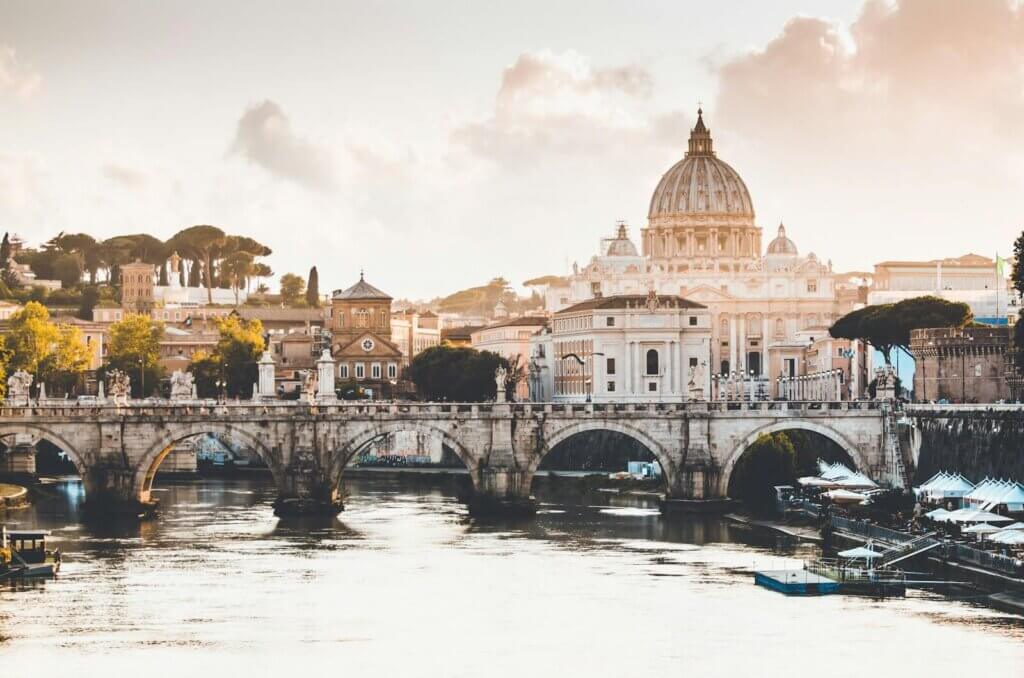




Inside the Vatican After Hours: A Private Glimpse for Discerning Travellers
There is a particular silence that descends upon the Vatican after six in the evening. The great bronze doors close. The last echo of footsteps fades from the Sistine Chapel. And for those few admitted under private arrangement, a different Vatican reveals itself — one untouched by the rhythm of mass tourism, where Michelangelo’s ceiling can be contemplated in something approaching the prayerful quiet for which it was painted. This is the experience I curate for clients who wish to encounter Rome’s most extraordinary collection on terms entirely their own.
Why After-Hours Access Transcends the Daytime Visit
During public hours, more than twenty-five thousand visitors pass through the Vatican Museums on a peak day. The Sistine Chapel itself can host as many as two thousand bodies at once, the guards calling for silence every few minutes — a request that, by necessity, is rarely honoured. The experience is undeniably impressive, but it is not contemplative. After-hours access, by contrast, is granted to small private parties only, generally between eighteen-thirty and twenty-two-thirty, and the museums during these evenings are inhabited by perhaps thirty guests across their entire extent. The shift in atmosphere is total. You walk the Gallery of the Maps with no jostling. You stand beneath The School of Athens without raising your voice. The marble cools, the light slants differently through the windows, and the collections become — for the first time, for most visitors — something approaching what they were meant to be: objects of sustained, unhurried attention.
The Sistine Chapel in Silence: A Moment Few Have Witnessed
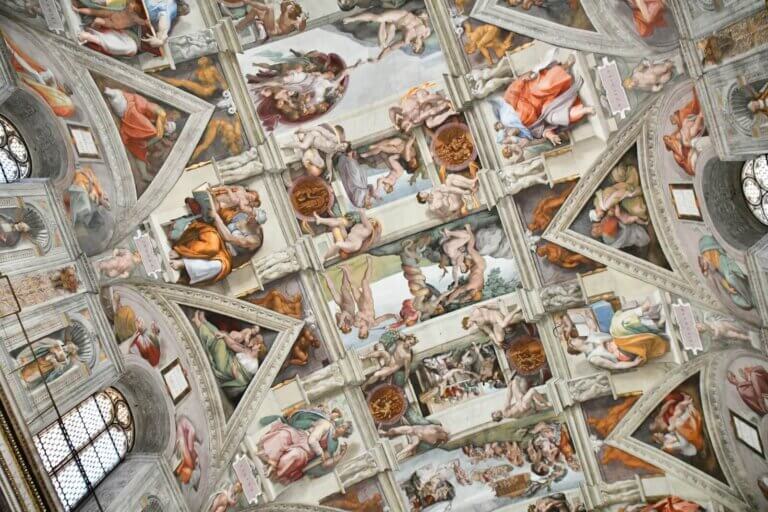
The Sistine Chapel after-hours is, simply, one of the great experiences available to a private traveller in Europe. Michelangelo’s ceiling and Last Judgement, conceived as devotional images, are very nearly impossible to absorb in daytime conditions. Privately, with seating discreetly arranged at the rear of the chapel, my guests are able to remain for thirty or forty minutes in near-total quiet. I generally suggest beginning with the Creation of Adam, then moving systematically through the prophets and sibyls, before turning to the wall behind the altar. The Last Judgement repays this kind of slow looking in a way no guidebook can convey. For clients with a serious interest in art history, I arrange, where possible, for a Vatican curator to join us for part of the visit — a privilege available only through long-standing professional relationships and never offered as a standard product.

Beyond the Famous Rooms: Cabinets, Corridors and Discreet Wings
Most visitors, even after a full day inside the Vatican, never see more than perhaps fifteen per cent of the collections. The Cabinet of the Masks, the Mineralogical Gallery, the Ethnological Museum, and the Carriage Pavilion (Padiglione delle Carrozze) are routinely overlooked. I tailor evening itineraries around the particular interests of the guest. A client passionate about classical antiquity may wish to focus on the Pio-Clementino’s quieter rooms; an architect may prefer Bramante’s spiral staircase (the original sixteenth-century one, not the photographed Momo staircase of 1932); a collector of decorative arts may be drawn to the Gallery of Tapestries or the Sobieski Room. Each itinerary is composed in consultation with the guest in advance, and may be adjusted on the evening itself if curiosity points elsewhere.
Insider Details You Will Not Find in the Guidebooks
Two examples, of the kind I share routinely with clients but which rarely appear in print. First: the Stanza della Segnatura, which contains The School of Athens, was originally Pope Julius II’s private library — the figures of philosophy, theology, poetry, and jurisprudence on the four walls correspond exactly to the four categories under which his books were shelved. Second: the marble used for the floor of the Sala Rotonda in the Pio-Clementino was extracted from the imperial baths of Otricoli and reassembled here in the eighteenth century, which is why its geometry is faintly off — Roman geometry was never quite as regular as Neoclassical taste preferred. These are the details that turn a visit into an education, and they are best delivered in a setting where there is time to absorb them.

Planning a Private Vatican Evening: What Guests Should Know
After-hours visits are scheduled in advance — generally a minimum of three to four weeks, though longer is preferable in peak periods and around the Jubilee. Dress is smart-casual, with shoulders and knees covered as in any Catholic site; comfortable shoes are essential, as the route covers approximately three kilometres. I arrange private transfers from your residence or hotel, and we typically enter through the small staff entrance on the Viale Vaticano rather than the main public doors. For guests who would like to continue the evening, I can organise dinner afterwards at a private terrace overlooking the city, or a quiet table at a restaurant whose hours are extended for us. Everything is composed around your timing, your interests, and your sense of pace.
An Encounter Designed for the Few
An after-hours Vatican evening is not a tour in the ordinary sense. It is a privately constructed encounter with one of the most concentrated repositories of human achievement on earth, conducted with the discretion and attention to detail that my clients expect. I limit the number of these evenings I host each season, and I work with each guest personally to ensure that what we see, how we move, and what we discuss reflects their own curiosities.
Request a Private Consultation
To explore a privately curated Vatican evening tailored to your visit, I welcome you to request a confidential consultation. Each programme is composed individually and reflects the interests, timing, and discretion appropriate to your party.
From the Journal to your private day
Live this privately
 Exclusive Vatican: A World of Grandeur, Art, and Spirituality
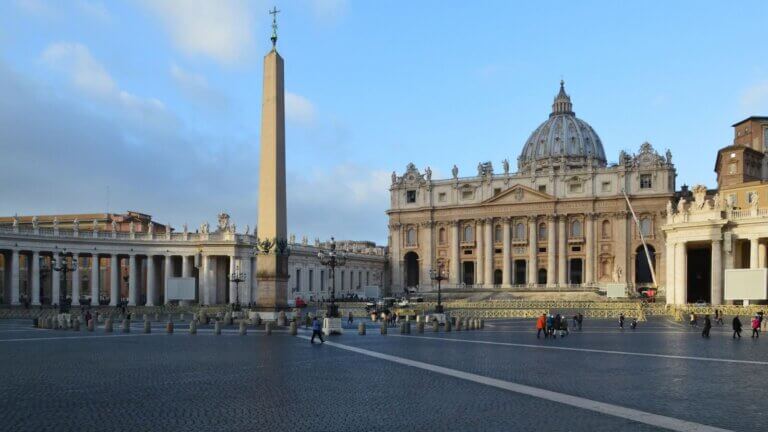 Vatican Without Queues: Discover the Treasures of the Holy See
Every day is composed around you — your pace, your interests, your time. Tell Olga what you would like to see.
Speak with Olga All private tours in Rome Build your day