



Aventine Hill: The Keyhole Garden and Orange Grove Few Travellers Know
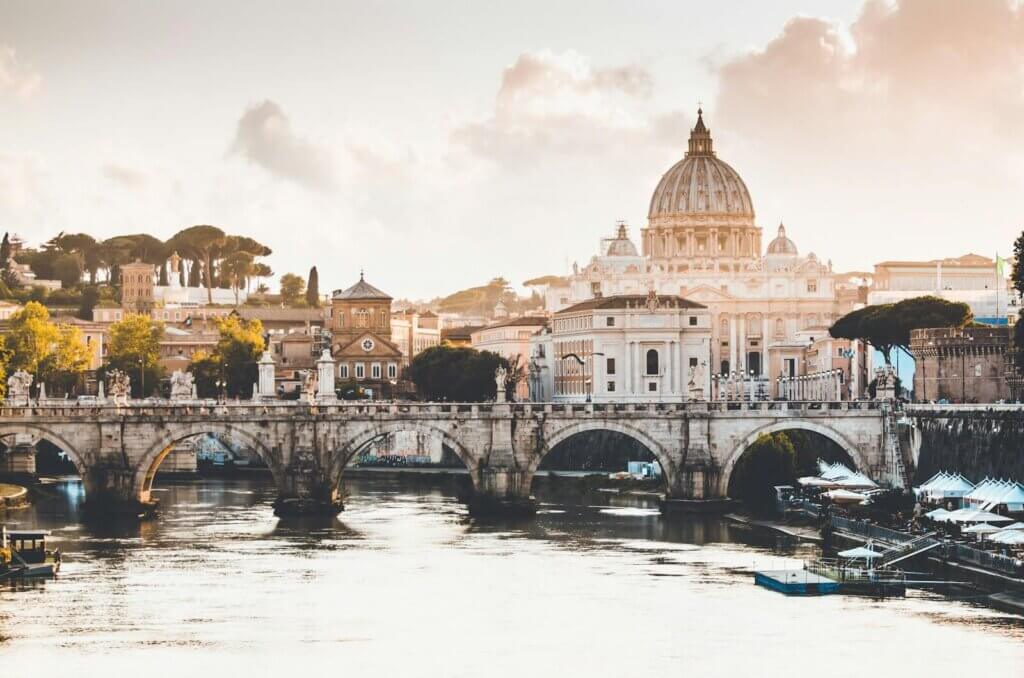
There is a green door on the Aventine Hill, set into a discreet white wall behind the Priory of the Knights of Malta, that perhaps a hundred people will queue for tomorrow morning — and only a handful will understand. Bend down, place your eye to its small bronze keyhole, and the dome of St Peter’s Basilica appears, perfectly framed by an alley of cypresses two kilometres away, on the opposite side of the river. It is the most photographed keyhole in the world, and yet the experience itself, in the right light, remains genuinely transporting. The Aventine Hill — quietest of Rome’s seven — guards a series of these small revelations.
This is a hill for slow walking, not checklist tourism. A private morning here, away from the queues of the Colosseum below, is one of the surest ways to fall in love with Rome a second time.
The Knights of Malta Keyhole, properly understood
The famous keyhole belongs to the Priory of the Sovereign Military Order of Malta, designed in 1765 by Piranesi as part of a small piazza of Egyptian and military symbolism. Piranesi’s idea — Enlightenment optics meeting Catholic theology — was to align three sovereignties through a single aperture: the Order’s garden (Malta), Italian territory (Rome), and the Vatican (St Peter’s). At the right hour, with diagonal morning light catching the cypresses, the keyhole produces an effect of theatrical perfection. Arrive too late and you will queue behind a row of TikTok cameras; arrive at 08:00 with a private guide and the door is yours alone for fifteen minutes.
Giardino degli Aranci — Rome’s quietest belvedere
Two minutes’ walk from the keyhole sits the Parco Savello — better known as the Orange Garden. Behind a hedge of cypresses, planted on a terrace above the Tiber, sits one of the most underused panoramic views in Rome: the river curving below, Trastevere’s terracotta rooftops, the Janiculum opposite. Orange trees, descendants of the bitter arancio originally planted by Saint Dominic himself in the thirteenth century, frame the belvedere. At sunrise the garden is almost empty. At sunset it is a destination for Romans rather than tourists — couples, joggers, a few classical guitarists.
Santa Sabina — a basilica without a single tourist
The third stop on a private Aventine morning is the basilica of Santa Sabina, consecrated in 432 CE and substantially unchanged since. The cypress doors carved in the same century show one of the earliest known depictions of the Crucifixion. The columns are spoils from a Temple of Juno that stood here in antiquity. There is no admission desk. There is no queue. There is, on most mornings, only a single Dominican priest in white, the smell of incense from the previous Mass, and a silence so complete you can hear pigeons in the apse. Olga’s guests almost universally call this stop the unexpected highlight of their Aventine morning.
San Saba and the deeper Aventine
For travellers with a serious appetite for hidden Rome, the visit extends to the little-known San Saba, perched on the southern Aventine — a Cosmatesque-floored basilica with a tiny atrium of Renaissance graffiti, eighth-century frescoes recently restored, and a working monastic community. A private letter of introduction, arranged in advance, allows access to the eighth-century underground level — a privilege granted perhaps fifty times a year.
Where this fits in your wider Rome programme
The Aventine pairs naturally with two existing programmes. After the morning on the hill, our private Rome sightseeing tour can collect you for the descent into the Circus Maximus and Palatine, ideally before the heat of midday. Travellers staying south of the centre often pair the Aventine with a private dinner in Testaccio — the working-class neighbourhood at its foot — where the surviving cucina romana trattorias serve the canonical four pastas in their original form. For guests who have already experienced our Galleria Borghese curator visit, the Aventine offers a counterpoint of slowness and silence after the visual intensity of Bernini.
Logistics and timing
Begin at 08:00 from your hotel — earlier in high summer. A discreet driver, a single guide, comfortable walking shoes, and a bottle of water are all you need. The morning takes approximately two and a half hours. Avoid weekends, when the keyhole queue forms at sunrise. Avoid also the second half of June through August at midday — there is no shade on the keyhole side of the priory. October mornings and February afternoons are, for those who can choose, the most beautiful.
To plan a private Aventine morning around your travel dates, write to Olga via Telegram.
From the Journal to your private day
Live this privately
Every day is composed around you — your pace, your interests, your time. Tell Olga what you would like to see.
Speak with Olga All private tours in Rome Build your day