



Paestum: Greek Temples Beyond the Tourist Trail
Three Doric temples, almost intact, stand in a flat green field eighty kilometres south of Naples. They are not Italian — they are Greek, built between 550 and 450 BCE by colonists from Sybaris who founded a city called Poseidonia, and they are older than the Parthenon. The site was abandoned during the malaria of the early Middle Ages and rediscovered, by accident, when an eighteenth-century road-builder cut a track across the plain. Today Paestum receives a fraction of the visitors of Pompeii, and almost none of them privately. For a single day from Rome — three hours by chauffeured car, or a one-hour internal flight to Naples and a thirty-minute transfer — Paestum offers Magna Graecia at its most undiluted.
The three temples
The site holds three Doric temples in a row, all built within a hundred years of each other, all surviving with their architraves and most of their columns. The Temple of Hera, the oldest (c. 550 BCE), has the heavy, slightly bulging columns of the early Doric style, with capitals like flat cushions. The Temple of Neptune (in fact a second temple to Hera, c. 460 BCE) is the masterpiece — a perfectly proportioned six-by-fourteen-column structure, taller and lighter, considered by some scholars the most complete Doric temple in the world, more intact than anything at Olympia or Delphi. The third, the small Temple of Athena (c. 500 BCE), stands on a slight rise at the northern edge of the plain. To walk between the three at dawn, before the coach groups arrive, is a privilege Olga’s archaeologist-guide can arrange with an early entry permit.
The archaeological museum and the Tomb of the Diver
The museum, two minutes from the temples, holds the painted slabs from the Tomb of the Diver — a small private grave discovered in 1968, dated to about 470 BCE. The five painted panels are the only surviving examples of Greek figurative wall-painting from the Classical period, and the lid panel — a single diver leaping into a stylised sea — has become, against the will of every art historian, the unofficial logo of the site. Other rooms hold votives from the Heraion at the mouth of the Sele, Lucanian funerary frescoes, and a vivid series of red-figure vases.
Lunch at a buffalo farm
The plain of Paestum is the heart of mozzarella di bufala campana DOP, the only mozzarella in the world made from genuine buffalo milk. A short drive from the temples brings you to one of the family bufale — sixteenth-century farms still working with herds of two hundred to four hundred buffalo, milking twice daily, producing mozzarella in the same morning. A guided visit takes in the herd, the milking parlour, the steaming mastelli where the cheese is shaped by hand, and a private lunch on the farm terrace — mozzarella still warm, prosciutto from Picentini, baked aubergine, a fritto of seasonal vegetables, and a slow Falanghina from Cilento.
Pairings and practicalities
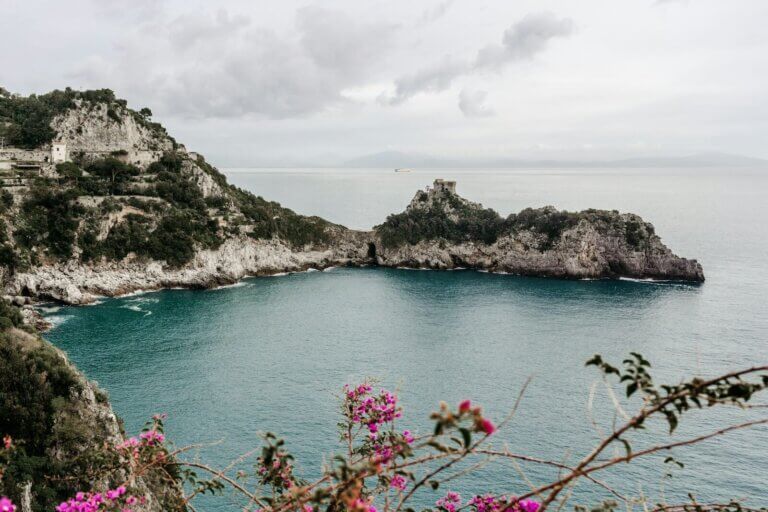
Three hours by car from Rome, or a forty-minute flight to Naples and a thirty-minute transfer. For an overnight, the small Savoy Beach Hotel at Capaccio offers a Roman bath spa within ten minutes of the temples; otherwise the day is fully achievable round-trip from Rome with a 7:00 departure and a 22:00 return. Paestum pairs naturally with our Ostia Antica vs Pompeii reflection — for guests serious about archaeology, Paestum closes the southern triangle. The drive south can also be combined with an Amalfi stop (see our premium one-day itinerary).
Ready to plan your private day? Olga curates each itinerary personally — speed-boat captains, family-run kitchens, garden visits before opening, drivers who treat the autostrada like a Maserati commercial. Contact Olga via Telegram to begin.
Further Reading & Official Sources
Independent verification and official references:
From the Journal to your private day
Live this privately
Every day is composed around you — your pace, your interests, your time. Tell Olga what you would like to see.
Speak with Olga All private tours in Rome Build your day